

TL;DR #
A simulation study using a 100 MW renewable installation paired with a 25 MW/50 MWh retired battery array demonstrated that second-life battery deployment can improve renewable power forecast accuracy by 60.45%, reduce peak-valley load differential by 16.8%, and cut equivalent load fluctuation rate by 11.92% simultaneously. For buyers evaluating retired lithium-ion cells for grid-scale or commercial BESS integration, this data confirms that second-life battery economics are viable only when an intelligent energy management system handles the heterogeneous capacity and power mismatches inherent in retired cell batches. Before issuing any RFQ for second-life battery modules, verify that the supplier’s EMS architecture explicitly accounts for per-cell state-of-charge variance and supports asymmetric charge/discharge power allocation.
Overview #
The business case for second-life battery systems has shifted from theoretical to operationally proven — but most procurement teams are still treating retired cell packs as a discount commodity rather than a precision engineering challenge. The analysis discussed here, conducted by grid operations researchers across three regional power utility institutions in China with simulation data drawn from a real regional grid featuring 100 MW renewable capacity, provides some of the most granular performance benchmarks available for retired battery second-use scenarios. The modeling combined actual renewable generation curves, real load profiles, and a 25 MW/50 MWh retired battery bank operated under a wavelet-packet decomposition energy management strategy — making the results directly translatable to BESS procurement specifications.
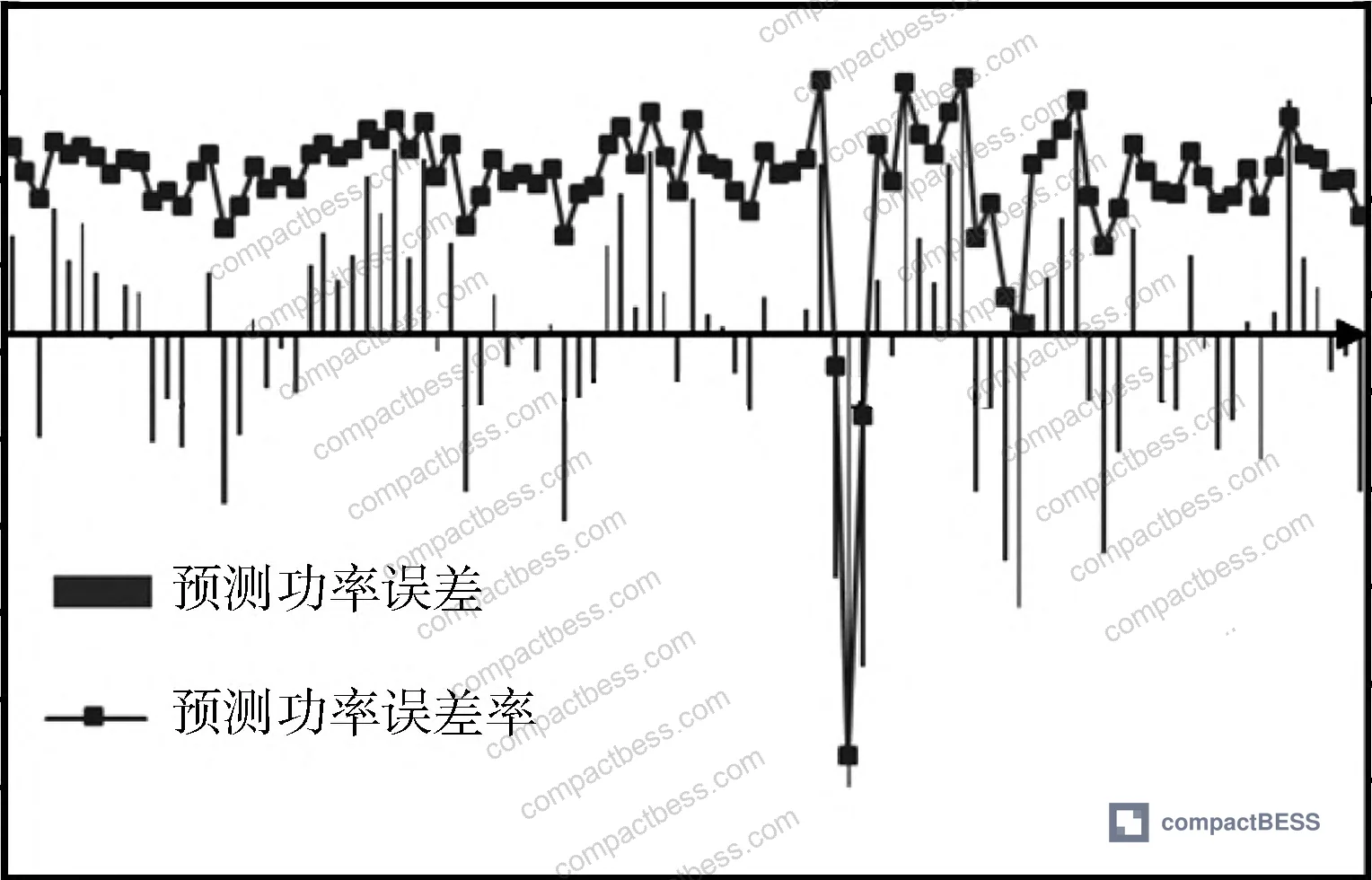
What makes this data set particularly useful for buyers is that it doesn’t cherry-pick ideal conditions. The baseline scenario includes raw renewable forecast errors as high as -50 MW with a peak prediction error rate of 288.6%, which is honest about how badly unmanaged renewable integration can stress a grid. The retired battery system was then evaluated against those real-world stress conditions, not synthetic benchmarks.
For context on cell-level format decisions that feed into second-life system design, see our guide on Cell Formats & Form Factors, which covers how physical cell geometry affects second-life grouping and module reassembly.
Retired Battery Cell Heterogeneity: The Core Engineering Problem in Second-Life BESS Design #
This is where most second-life battery projects run into trouble — and where the source data is most instructive.
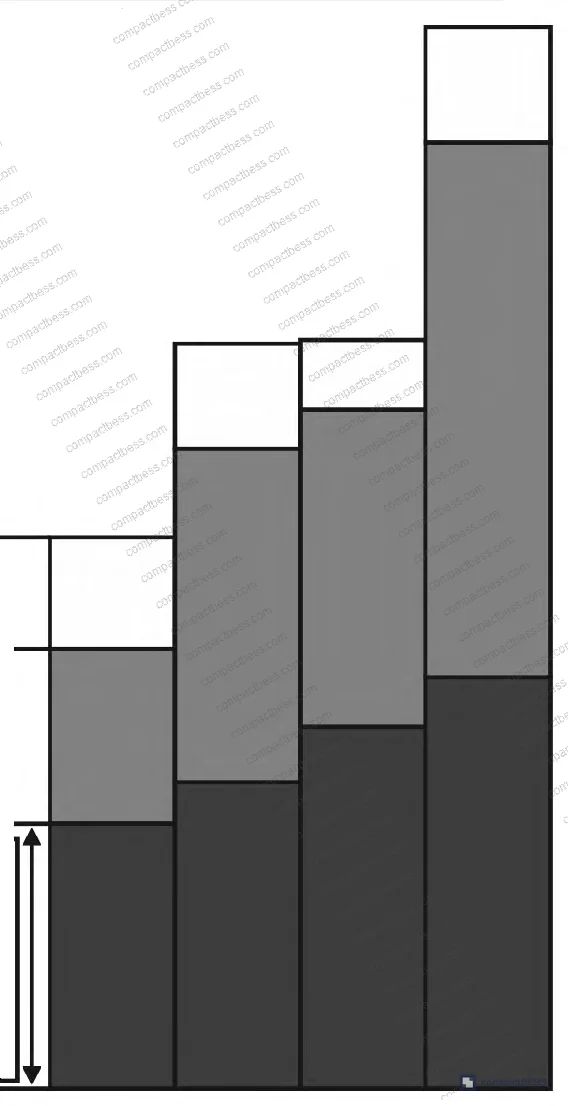
When a retired EV battery pack enters a second-life application, it no longer behaves like a conventional battery bank. In a standard battery installation, cells share the same original design capacity and arrive with relatively uniform state of health. Charge and discharge power can be distributed evenly. Retired cells do not offer that luxury. After 5 to 8 years of EV service, a lithium-ion cell retains approximately 70% of its rated capacity on average — but “average” is doing enormous work in that sentence. Individual cells in any recovered batch will show a spread of available capacities, different maximum charge/discharge power ratings, and varying internal resistance profiles.
In supplier qualification, we have seen batches where three of six retired cell modules submitted for initial testing showed available capacity more than 30% below the supplier’s quoted figure, with maximum discharge power ratings that couldn’t support the intended load profile at all. The supplier had averaged across the batch without disclosing per-module variance — a practice that is unfortunately common and costly to discover after a purchase order has been placed.
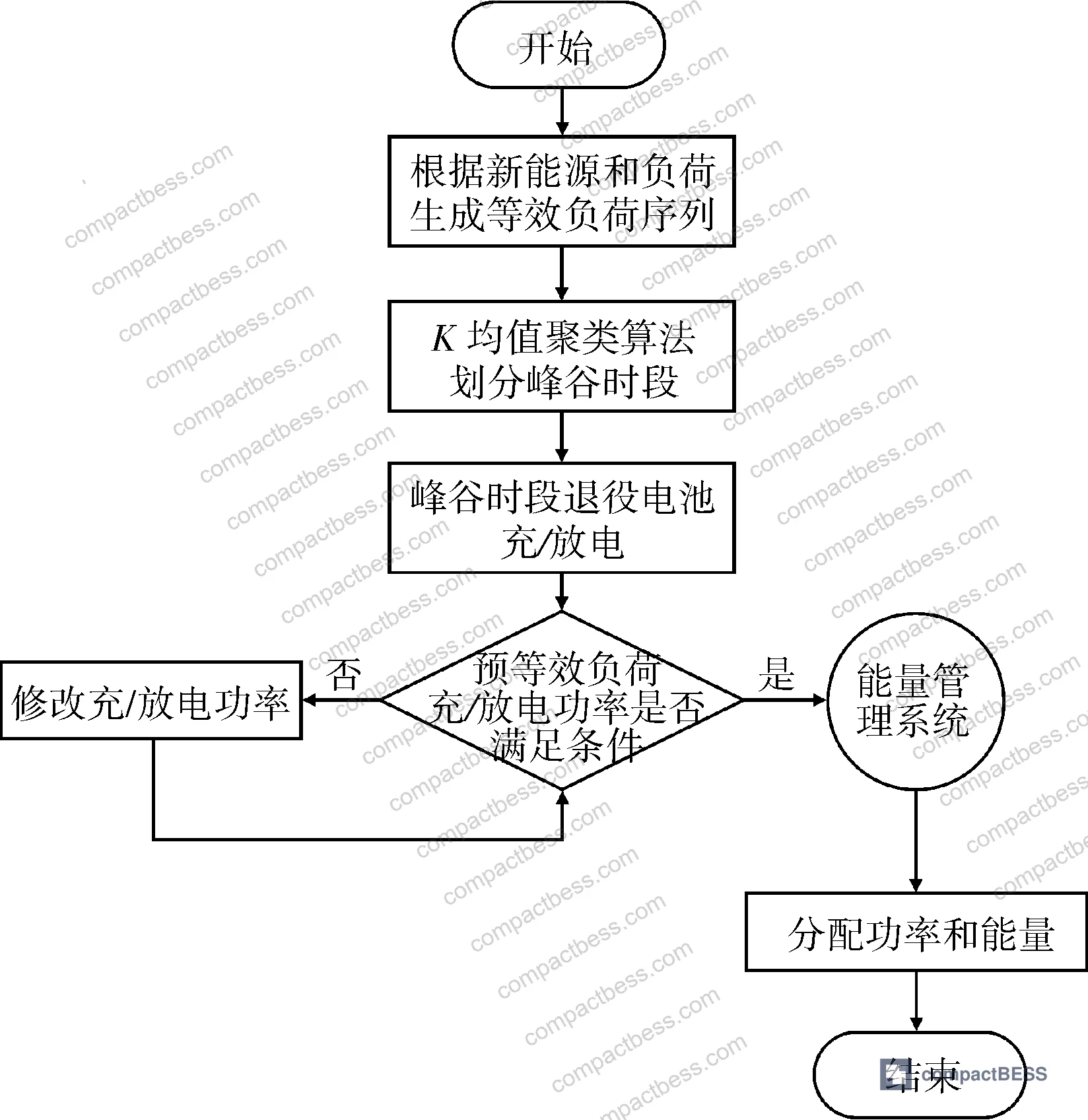
The engineering response to this problem is an energy management system (EMS) that allocates charge and discharge power individually to each battery unit based on its actual available capacity and current state. The simulation model tested here used a K-means clustering algorithm (K=3) to classify equivalent load conditions into peak, off-peak, and valley periods, then managed battery dispatch accordingly. During high-load periods, retired batteries discharge for peak shaving. During low-load periods, they charge for valley filling. This dual-function dispatch is what drives the economic case beyond simple arbitrage.
| Parameter | Conventional Battery Bank | Retired Battery (Second-Life) |
|---|---|---|
| Cell capacity uniformity | High — matched at production | Low — varies by prior use history |
| Charge/discharge power allocation | Equal distribution | Requires per-unit EMS allocation |
| Available capacity vs. design capacity | ~100% | ~70% average (wide variance) |
| Peak prediction error compensation | Not applicable | 60.45% accuracy improvement demonstrated |
| Peak-valley differential reduction | Not applicable | 16.8% reduction demonstrated |
| Equivalent load fluctuation reduction | Not applicable | 11.92% reduction demonstrated |
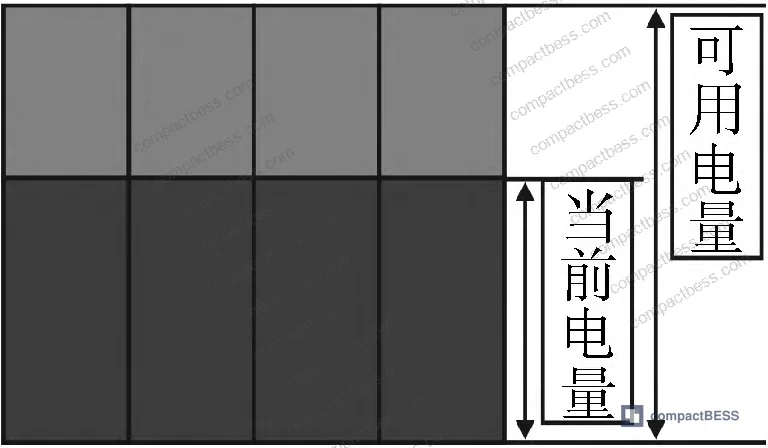
For buyers sourcing cells for BESS pack assembly, understanding how Cell Consistency & Matching criteria scale up from cell-level to module-level is critical when working with second-life material.
Wavelet Packet Decomposition and Dispatch Performance: What the Simulation Data Shows #
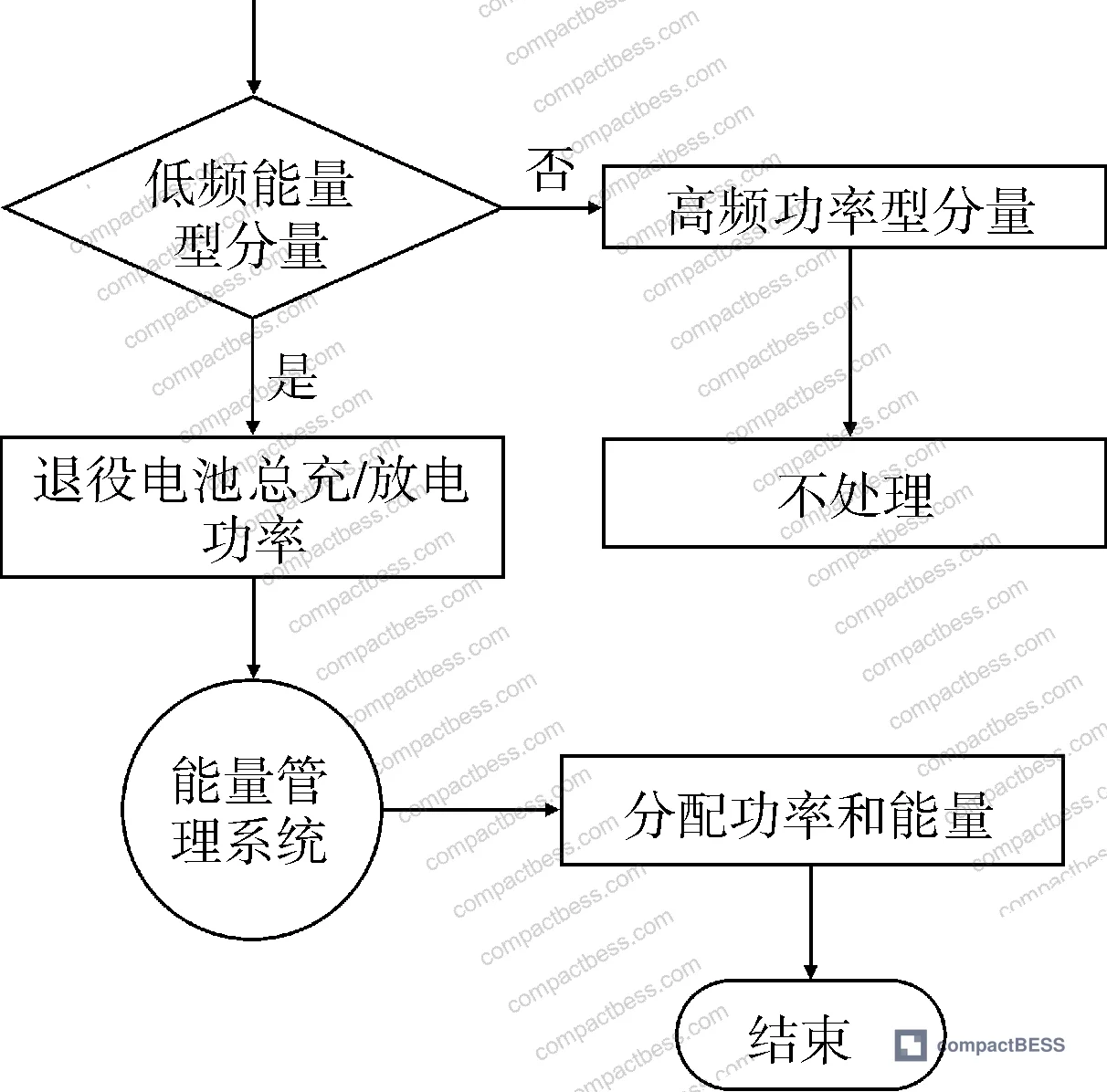
The energy management strategy used in this analysis is worth understanding in procurement terms, not just engineering terms. The core idea is that renewable power forecast error has two distinct frequency components: high-frequency power-type fluctuations (sub-minute, primarily from rapid wind/solar variation) and low-frequency energy-type components (longer-duration mismatches between forecast and actual generation). Retired batteries, because they have limited cycle life remaining, should not be subjected to high-frequency cycling. The wavelet packet decomposition method separates these components at a response boundary of 1 minute (0.0167 Hz), assigning only the low-frequency energy component to the retired battery bank. High-frequency components are left uncompensated — a deliberate design choice to protect battery longevity.

The simulation case parameters were: renewable installed capacity 100 MW; retired battery bank 25 MW/50 MWh; battery SoC operating range 0.1 to 0.9 (minimum to maximum state of charge); grid tie-line maximum import 300 MW, maximum export 200 MW; peak electricity tariff 1,200 CNY/MWh; valley tariff 288 CNY/MWh; renewable forecast penalty cost 250 CNY/MWh.
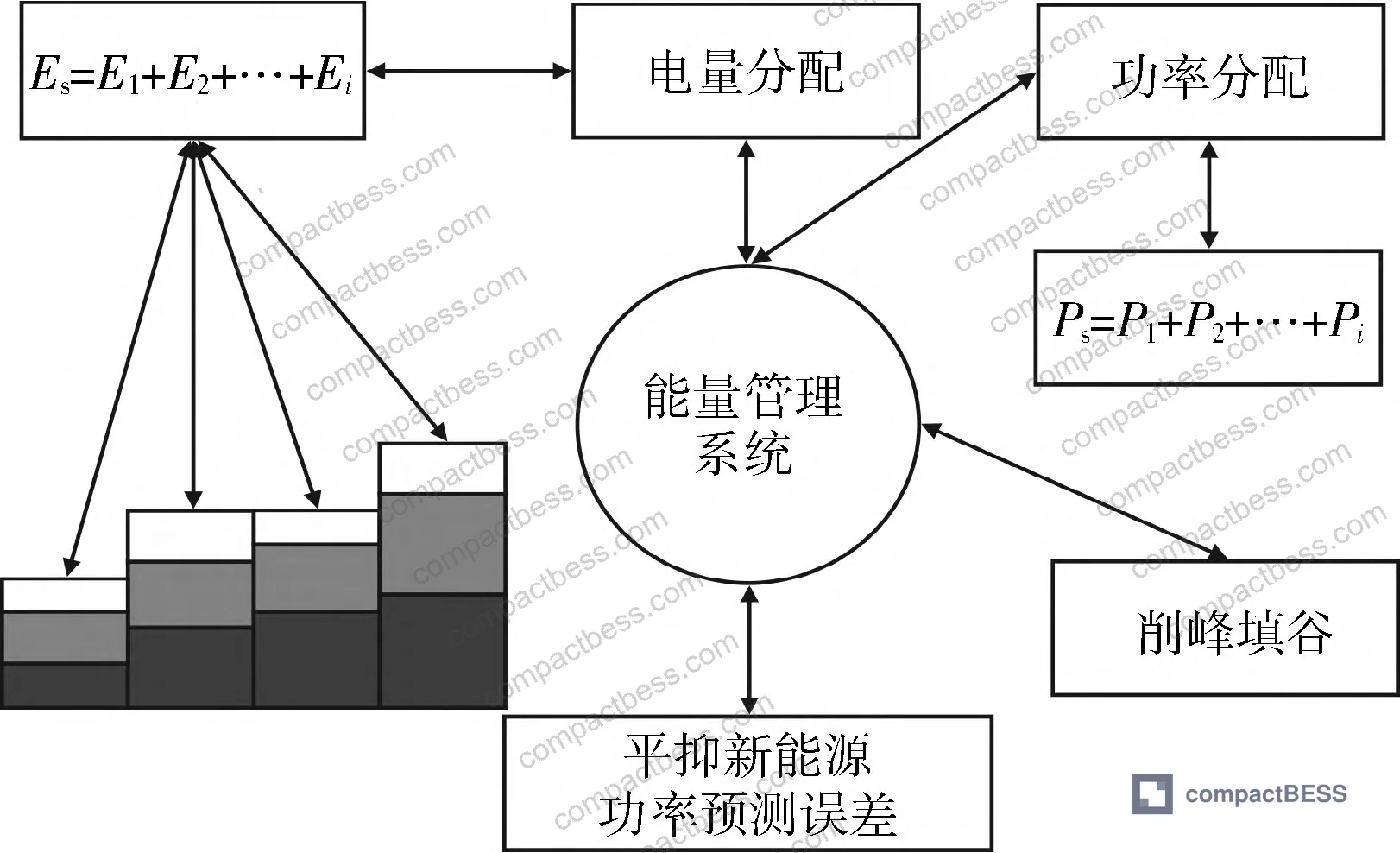

The qualification-level results across three performance dimensions:
Renewable forecast accuracy improvement:
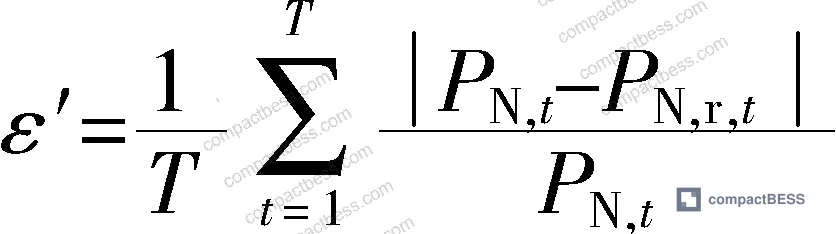
Before battery deployment, average relative forecast error rate was 20.3%, with a peak error of -50 MW and a peak error rate of 288.6%. After second-life battery deployment with the wavelet-based EMS, average relative error rate dropped to 8.03% — a reduction of 12.27 percentage points, representing a 60.45% improvement in average forecast accuracy. The forecast penalty cost dropped from 67,031 CNY to 28,901 CNY, a reduction of 38,130 CNY for the simulated period.
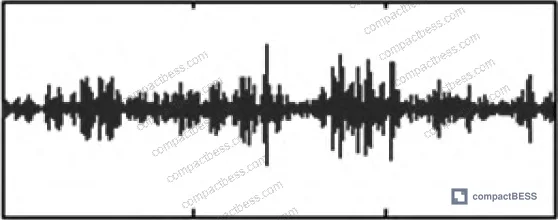

Peak-valley differential improvement:
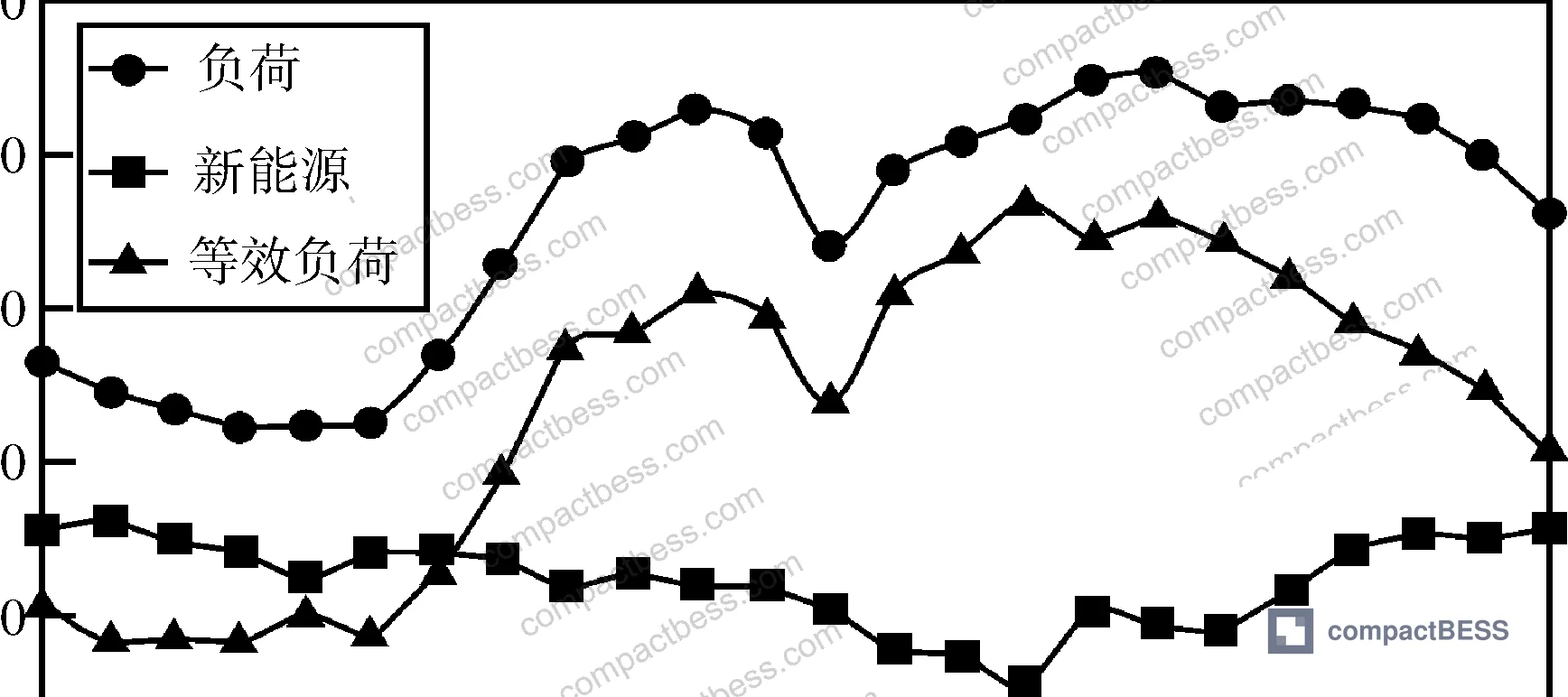
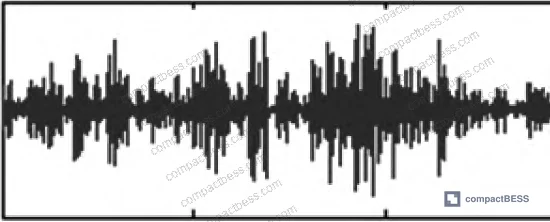
Original equivalent load peak was 184 MW, valley was 41.5 MW, giving a peak-valley differential of 142.5 MW — already 27.9 MW larger than the system without renewable generation due to the “reverse peak-shaving” effect of renewables. After battery dispatch, the peak dropped to 167.4 MW and the valley rose to 114.4 MW, reducing peak-valley differential by 28.1 MW — a 16.8% improvement. Compared to the pure-load system with no renewables, the residual peak-valley gap was only 0.2 MW wider.

Equivalent load fluctuation rate:
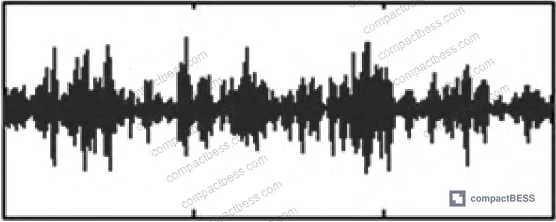
Without renewables, the baseline fluctuation rate was 0.23344. With renewables but without battery compensation, it rose to 0.47439 — a doubling of grid stress. With the retired battery EMS active, the fluctuation rate fell to 0.41786, a reduction of 11.92% versus the uncompensated renewable case.
Charge/discharge economic performance:
During valley periods, the retired battery bank charged 44.5 MWh at a cost of 12,816 CNY. During peak periods, it discharged 36 MWh generating revenue of 43,200 CNY. Net charge/discharge revenue: 30,384 CNY. Combined with forecast error penalty savings, total revenue reached 68,514 CNY — 79.7% higher than forecast error compensation alone, and 125.5% higher than peak-valley arbitrage alone. The combined strategy is not just incrementally better; it is structurally superior.


Most procurement teams don’t realize that the IEC standard governing lithium-ion cells in stationary storage applications, IEC 62619:2022 Safety requirements for secondary lithium cells and batteries, explicitly addresses second-life cell requalification criteria — and that sourcing retired cells without validating them against this standard creates both a safety and a certification liability. Similarly, if you’re sourcing for a system destined for US commercial installation, UL 9540A Test Method for Evaluating Thermal Runaway Fire Propagation in Battery Energy Storage Systems applies regardless of whether the cells are new or second-life. And for portable or industrial applications requiring transport compliance, UN 38.3 Recommendations on the Transport of Dangerous Goods — Lithium Battery Testing covers retired cell packs as fully as it covers new production cells.
Revenue Model and Cycle Life Trade-offs for Second-Life Procurement #
Honestly, most buyers evaluating second-life battery economics focus exclusively on the low acquisition cost and miss the operational constraints that determine whether the project actually makes money. The 70% residual capacity figure sounds like a reasonable working margin, but the real question is what cycle count remains in that cell after EV service, and what depth-of-discharge profile is safe without accelerating degradation to a point that makes the asset uneconomical.
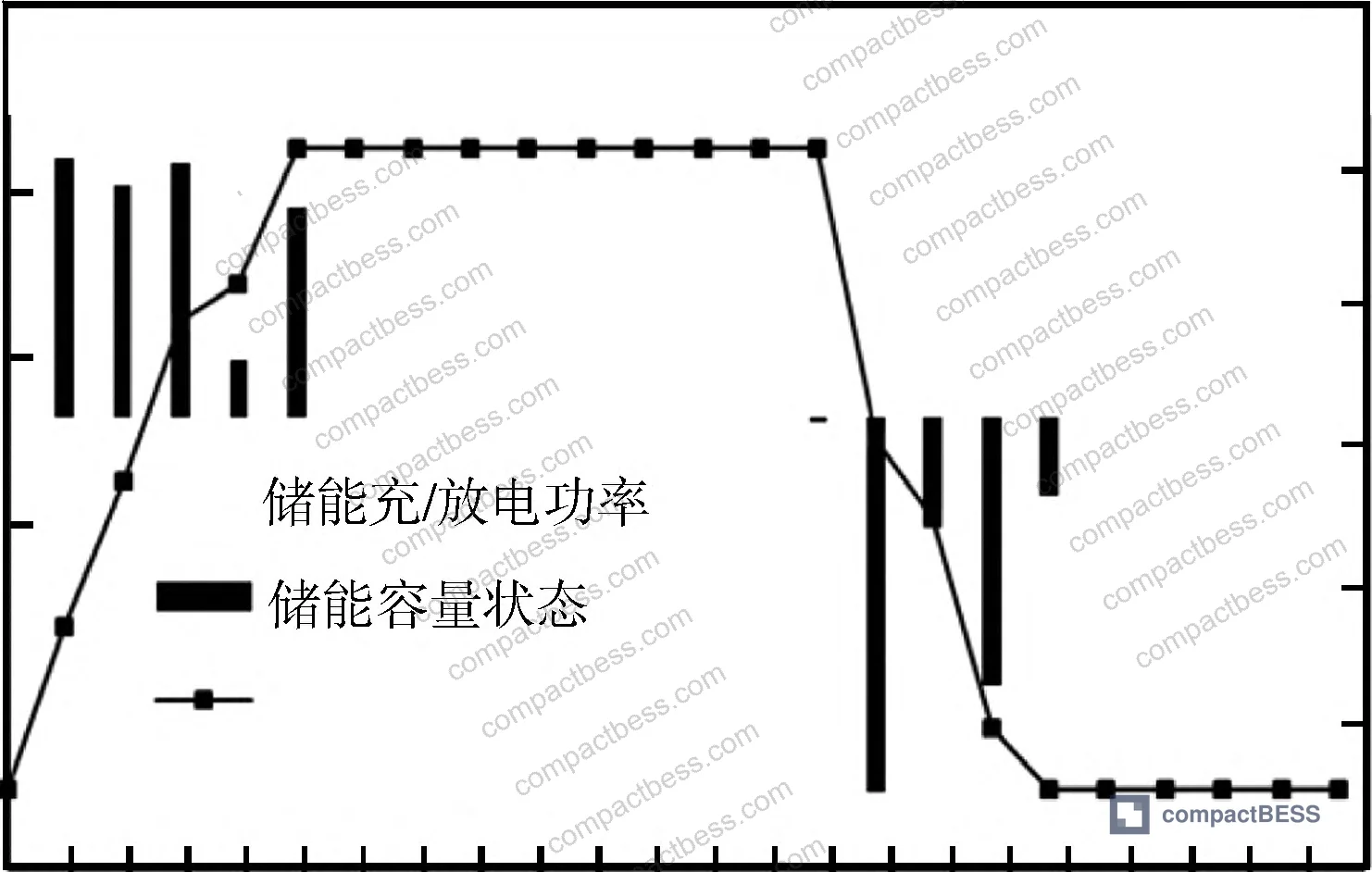
The simulation above intentionally excluded high-frequency cycling from the retired battery’s duty cycle. This is not just good engineering — it is a financially necessary constraint. Retired cells that are subjected to sub-minute charge/discharge cycling will degrade at a rate that makes the revenue model unworkable. The 1-minute frequency boundary (0.0167 Hz) used as the decomposition threshold in this analysis is worth treating as a default design specification in your EMS requirements, not an academic parameter.
The combined revenue figure — 68,514 CNY across the simulated dispatch period from a 25 MW/50 MWh bank — translates to a business case that is compelling precisely because it stacks two revenue streams. Single-function deployment (either forecast error smoothing only, or peak-valley arbitrage only) leaves significant value on the table. The data shows 125.5% revenue uplift from combining both functions versus arbitrage alone. Any supplier pitching a single-function second-life battery application needs to justify why they’re not capturing the other revenue stream.
For buyers who want to understand how SOH & RUL Prediction methods integrate into second-life EMS design — which directly affects how aggressively you can dispatch the battery without shortening asset life — that evaluation framework is worth reviewing before finalizing system specifications.
Practical Guidance for Buyers #
If you are sourcing retired lithium-ion cell modules for BESS or grid-support applications, the single biggest procurement mistake is treating all second-life cells as functionally equivalent. They are not. A batch of retired EV cells will contain modules spanning a range of available capacities, internal resistances, and maximum power ratings that can vary by 30% or more within the same batch. Any EMS that doesn’t allocate charge and discharge power individually to each module is, at best, underperforming and, at worst, accelerating degradation in the weakest cells.
The revenue and performance data from this analysis is a useful benchmark: a 25 MW/50 MWh second-life system, properly managed, can deliver 68,514 CNY in combined revenue through dual-function dispatch — but that number is only achievable with a capable EMS and SoC operating constraints between 0.1 and 0.9. Require your supplier to demonstrate the EMS architecture, not just quote a capacity figure.
At compactbess.com, we connect global OEM buyers and energy storage integrators with verified Chinese manufacturers of battery energy storage systems — including second-life cell pack assemblers with documented EMS capability. If your project requires second-life modules that meet grid-code or commercial building storage standards, our sourcing team can identify qualified suppliers and cross-check their technical documentation before you commit to samples.
Need help identifying qualified suppliers for second-life BESS modules or retired cell packs? Talk to our sourcing team →
Supplier Qualification Questions #
- Can you provide per-module capacity test data for your retired cell batches showing the distribution of available capacity relative to original design capacity, with the percentage of modules falling below 65% of original rated capacity disclosed?
- What is the maximum charge/discharge power variance across modules in a standard delivery batch, and does your EMS perform individual power allocation per module or use a fixed equal-distribution method?
- What frequency boundary does your energy management system use to separate energy-type (low-frequency) and power-type (high-frequency) components for retired battery dispatch — specifically, can it enforce a 1-minute (0.0167 Hz) response threshold to protect cycle life?
- What SoC operating window do you specify for second-life modules in grid dispatch service — does your system enforce a minimum SoC of 0.1 and maximum of 0.9, and what is the technical basis for those limits given residual cycle life?
- In combined peak-valley arbitrage and forecast error smoothing operation, what is your measured equivalent load fluctuation rate reduction and peak-valley differential improvement for a system at the 25 MW/50 MWh scale, and can you provide simulation or field data showing performance against a baseline forecast error rate of 20% or higher?
Sourcing Checklist #
- ☐ Supplier provides per-module available capacity data showing batch variance, with individual module capacity within ±15% of quoted average value
- ☐ EMS architecture supports asymmetric per-module charge/discharge power allocation (not equal-distribution only), verified by system documentation or FAT test protocol
- ☐ SoC operating range for all second-life modules is enforced between 0.1 minimum and 0.9 maximum, confirmed via BMS parameter data sheet
- ☐ Retired cell modules have been re-qualified under IEC 62619:2022 or equivalent safety standard covering secondary lithium cells in stationary applications, with certificate of compliance available
- ☐ System-level thermal runaway propagation testing has been conducted or is on roadmap per UL 9540A methodology for any BESS installation above 20 kWh
- ☐ Supplier can demonstrate wavelet-packet or equivalent frequency-domain decomposition in EMS, with a documented frequency response boundary at or below 1 minute (0.0167 Hz) for energy-type component assignment
- ☐ UN 38.3 transport certification is current and covers the specific cell chemistry and form factor of the retired modules being supplied
- ☐ Combined forecast error smoothing and peak-valley arbitrage dispatch has been demonstrated, with revenue improvement over single-function deployment documented at ≥79% uplift
Key Specifications Table #
| Parameter | Recommended Value | Verification Method |
|---|---|---|
| Retired cell residual capacity (minimum acceptable) | ≥65% of original rated capacity | Capacity test per IEC 61960-3 at 0.2C discharge, compare to nameplate |
| SoC operating window for second-life grid dispatch | 0.1 (min) to 0.9 (max) | BMS parameter extraction; charge/discharge cycle log review |
| EMS frequency response boundary (energy vs. power component) | ≤1 minute / 0.0167 Hz | Wavelet decomposition validation test; EMS commissioning report |
| Renewable forecast error reduction capability | ≥50% improvement vs. unmanaged baseline (target: 60.45%) | Simulation study or field data against baseline forecast error rate ≥20% |
| Equivalent load peak-valley differential reduction | ≥15% reduction vs. pre-battery equivalent load | Grid data comparison over minimum 7-day continuous operation |
| Combined dispatch revenue uplift vs. single-function operation | ≥100% vs. peak-valley arbitrage alone | Financial model validated against tariff structure: peak ≥1,200 CNY/MWh, valley ≤288 CNY/MWh |
Can’t find a supplier meeting these specs? Submit your requirements and we’ll match you within 48 hours.
References #
Data source: Energy Management Strategy for Second-Life Battery Systems in Renewable Integration: Peak-Valley Optimization and Forecast Error Compensation, R. Gao et al., Journal of the Electrochemical Society, 2025
Frequently Asked Questions #
Why does deploying retired batteries in a combined forecast-smoothing and peak-arbitrage mode generate 125.5% more revenue than peak-valley arbitrage alone?
The arithmetic works because the two revenue streams operate on different time scales and don’t compete for battery capacity in the same time window. Forecast error compensation requires the battery to respond to generation-demand mismatches as they emerge, while peak-valley arbitrage operates on a scheduled daily cycle. When both are managed by a frequency-decomposition EMS, the battery accumulates revenue from penalty cost savings (reduced forecast error penalties) and from tariff differential (buying cheap energy at valley rates, selling at peak rates). In the simulation, forecast error penalty savings alone amounted to 38,130 CNY, while charge/discharge arbitrage added 30,384 CNY — combined and non-overlapping.
What residual capacity threshold makes a retired battery cell technically unsuitable for second-life BESS?
The 70% figure cited in the literature is a general industry guideline for EV battery retirement, not a hard floor for second-life BESS use. Systems dispatched in peak-valley arbitrage with wide SoC windows (0.1 to 0.9) can work with cells at 65–70% residual capacity if cycle depth and frequency are controlled. The real disqualifier is excessive internal resistance increase, which reduces peak power delivery and increases thermal load — not just raw capacity. Require suppliers to report both capacity retention and internal resistance measurements, not just one or the other.
How does the wavelet packet decomposition approach protect retired battery cycle life compared to direct renewable smoothing?
By separating the forecast error signal into high-frequency (sub-1-minute) and low-frequency (above 1-minute) components and only dispatching the retired battery for low-frequency energy storage, the system avoids the high charge/discharge cycling rate that accelerates lithium-ion degradation. High-frequency components are left uncompensated. This extends useful asset life significantly compared to a naive strategy that uses the battery to respond to every fluctuation in the renewable output.
Does this second-life battery dispatch model require a dedicated, purpose-built EMS, or can commercial BMS platforms handle it?
The dispatch logic — particularly the wavelet decomposition, per-module power allocation, and K-means load classification — goes beyond what a standard BMS provides. Most off-the-shelf BMS products handle cell protection and SoC estimation, not system-level dispatch optimization. You will need either a purpose-built EMS layer on top of the BMS, or a supplier who has integrated dispatch logic into their system controller. Verify this explicitly during supplier qualification.
Is the 25 MW/50 MWh scale in this analysis relevant to smaller commercial or industrial BESS applications?
The proportional relationships — forecast error reduction, peak-valley differential improvement, and the revenue uplift from combined dispatch — scale down reasonably well to smaller systems, provided the EMS logic is preserved. The specific revenue figures (68,514 CNY total) are tied to the tariff structure and system size used in the simulation, but the 60.45% forecast accuracy improvement and 16.8% peak-valley differential reduction are ratio-based metrics that should hold across scale. For commercial systems in the 500 kWh to 5 MWh range, the same design principles apply: heterogeneous cell management, frequency-domain dispatch separation, and dual-function revenue stacking.
Published by compactbess.com Technical Team | Request a sourcing quote


