

TL;DR #
If you’re configuring energy storage for a thermal power plant participating in AGC frequency regulation, the single most expensive mistake I see procurement teams make is over-specifying lithium battery capacity while ignoring the duty-cycle mismatch that erodes battery life within 3–4 years. The economics of fire-storage joint frequency regulation depend far less on raw energy capacity than on how intelligently you dispatch each storage type — and that decision starts at the component selection stage, not the controls design stage.
This article draws on field evaluation and case analysis from a 1,000 MW thermal unit deployment, comparing hybrid energy storage (HES, supercapacitor-lithium integrated packs) against conventional LFP battery-only configurations for automatic generation control (AGC) auxiliary frequency regulation. The data is specific, the recommendations are direct, and where the numbers suggest a counterintuitive conclusion, I’ll say so plainly.
Hybrid vs. LFP-Only: Performance and Cycle-Life Comparison #
The core tension in AGC storage selection is this: lithium batteries have the energy density you want for sustained response, but supercapacitors have the power density and cycle life you need for the high-frequency, short-duration dispatch that defines real AGC duty cycles. Hybrid energy storage integrates both in a single pack architecture — and the performance delta is not marginal.
In the Yimin Power Plant evaluation, we tested against identical PCS configurations using a 215 kW string inverter. Each PACK was assigned 53.75 kW. Here are the headline numbers:
| Parameter | LFP Battery (LFP-314AH) | Hybrid Energy Storage (HUC-8AH) |
|---|---|---|
| Cell model | LFP-314AH | HUC-8AH |
| System spec | 332.8 V / 104.49 kW·h | 324 V / 12.9 kW·h |
| Max power (same PCS) | 52.25 kW (0.5P) | 129 kW (10P) |
| Cycle life @ 80% EOL | 6,000 cycles | 100,000 cycles |
| Round-trip efficiency | 94.3% | 95.5% |
| Energy density | 180–200 W·h/kg | 80–100 W·h/kg |
That 10P vs. 0.5P power capability gap is the number most buyers underestimate. In AGC duty, you are not running a 1-hour discharge cycle. You are executing rapid charge-discharge transitions, often dozens of times per hour. The HUC pack’s 129 kW output at the same PCS rating is not a minor upgrade — it’s a fundamentally different response characteristic.
Honestly, most buyers spec lithium batteries for AGC applications based on energy capacity (kWh) when the actual binding constraint is power ramp rate and cycle count. If your AGC contract performance index weights response time and regulation rate, as most provincial assessment frameworks now do, you are leaving money on the table with a pure LFP configuration.
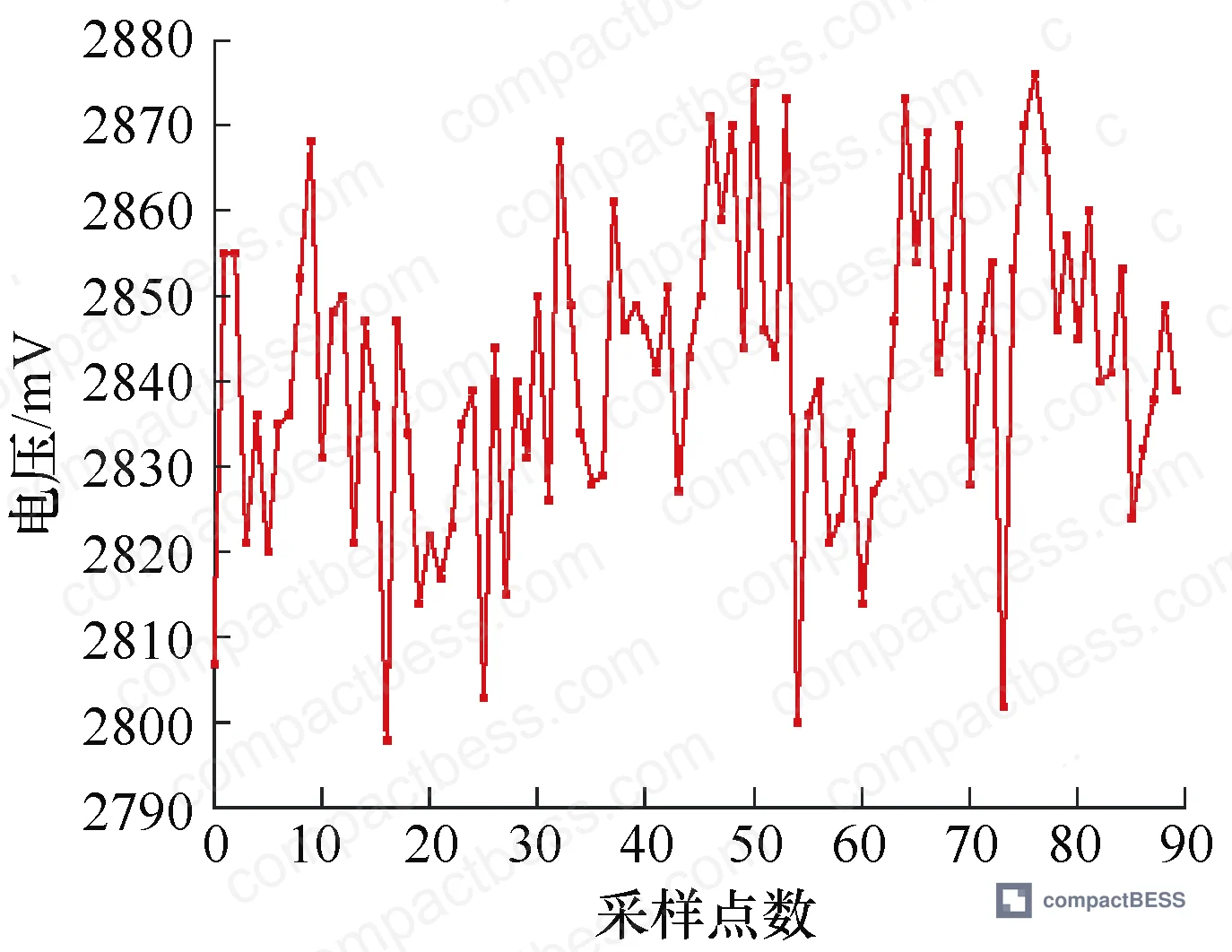
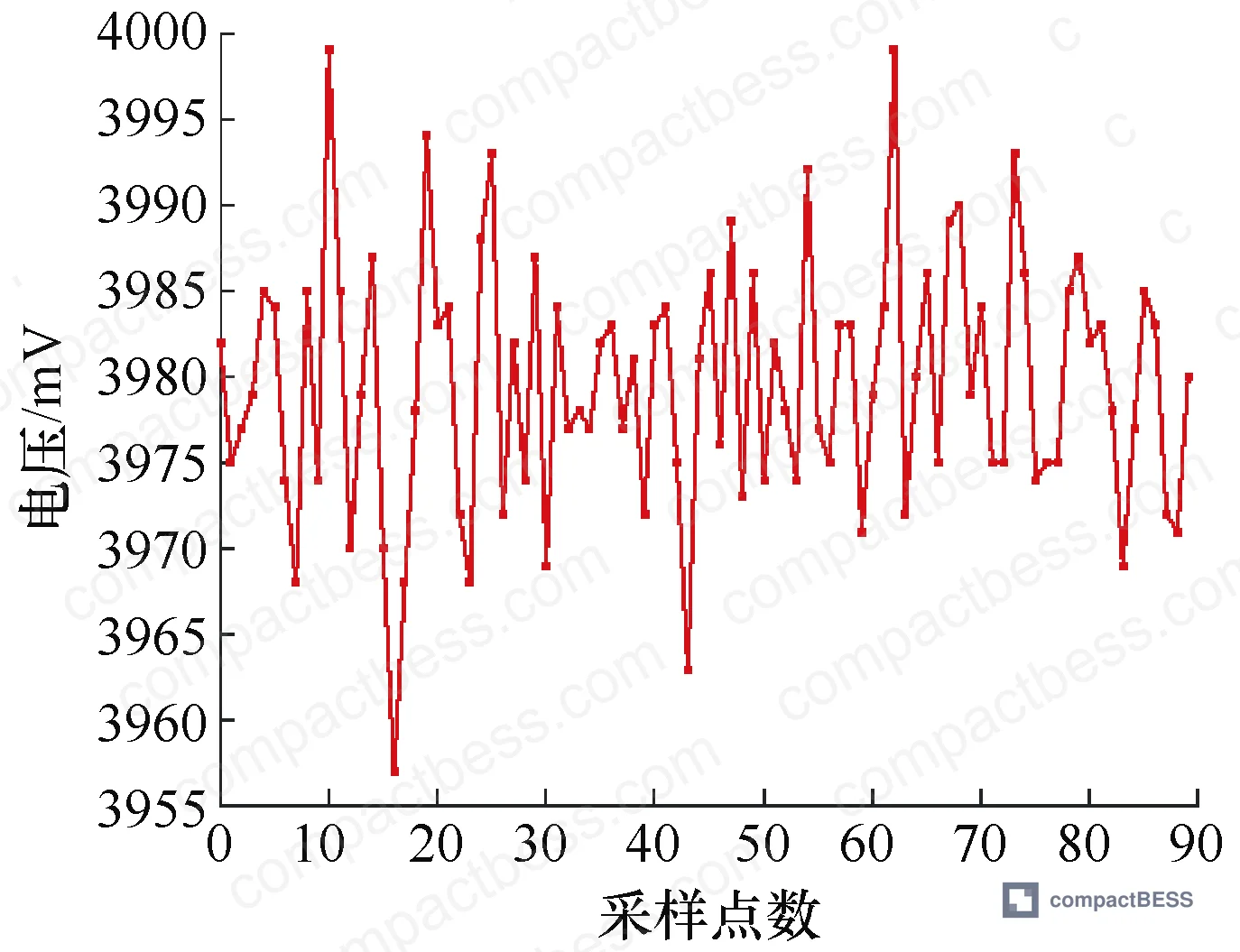
The consistency data from actual PACK testing at 6P / 10 min / 80% DOD conditions confirms this: across three consecutive test cycles, charge capacity ranged 29.48–29.69 A·h, discharge capacity ranged 29.36–29.63 A·h, and round-trip energy efficiency measured 95.09%, 96.50%, and 96.62% respectively. Cell-to-cell voltage spread was 23 mV during charge and 42 mV during discharge — tight enough to avoid any meaningful capacity imbalance under normal AGC dispatch.
For context on why cell consistency matters here, see our guide on cell consistency and matching for BESS packs.
Thermal Management and Pack Integration Design #
The reason hybrid packs can sustain 10P discharge without accelerated degradation comes down to thermal architecture, not just cell chemistry. In the Yimin application, the hybrid PACK uses a through-type high-integration liquid cooling design with bottom liquid-cooling plates combined with an enclosure potting compound approach.
Three design elements drive the thermal performance:
Star combination topology — ensures maximum energy density group conversion efficiency while maintaining electrical symmetry across supercapacitor strings.
Bottom liquid cooling + immersive potting — each supercapacitor cell’s bottom terminal and casing conducts heat through thermally conductive gel to the liquid cooling plate. The gel’s viscosity was specifically tuned to allow it to flow through mounting bracket guide holes and surround the cylindrical cell bodies, ensuring there are no dry spots in the thermal path.
Mounting bracket electrical clearance — the bracket system simultaneously maintains required creepage/clearance distances between cells and the liquid cooling plate, allowing the thermally conductive gel’s insulation properties to contribute to regulatory compliance without added insulation layers.
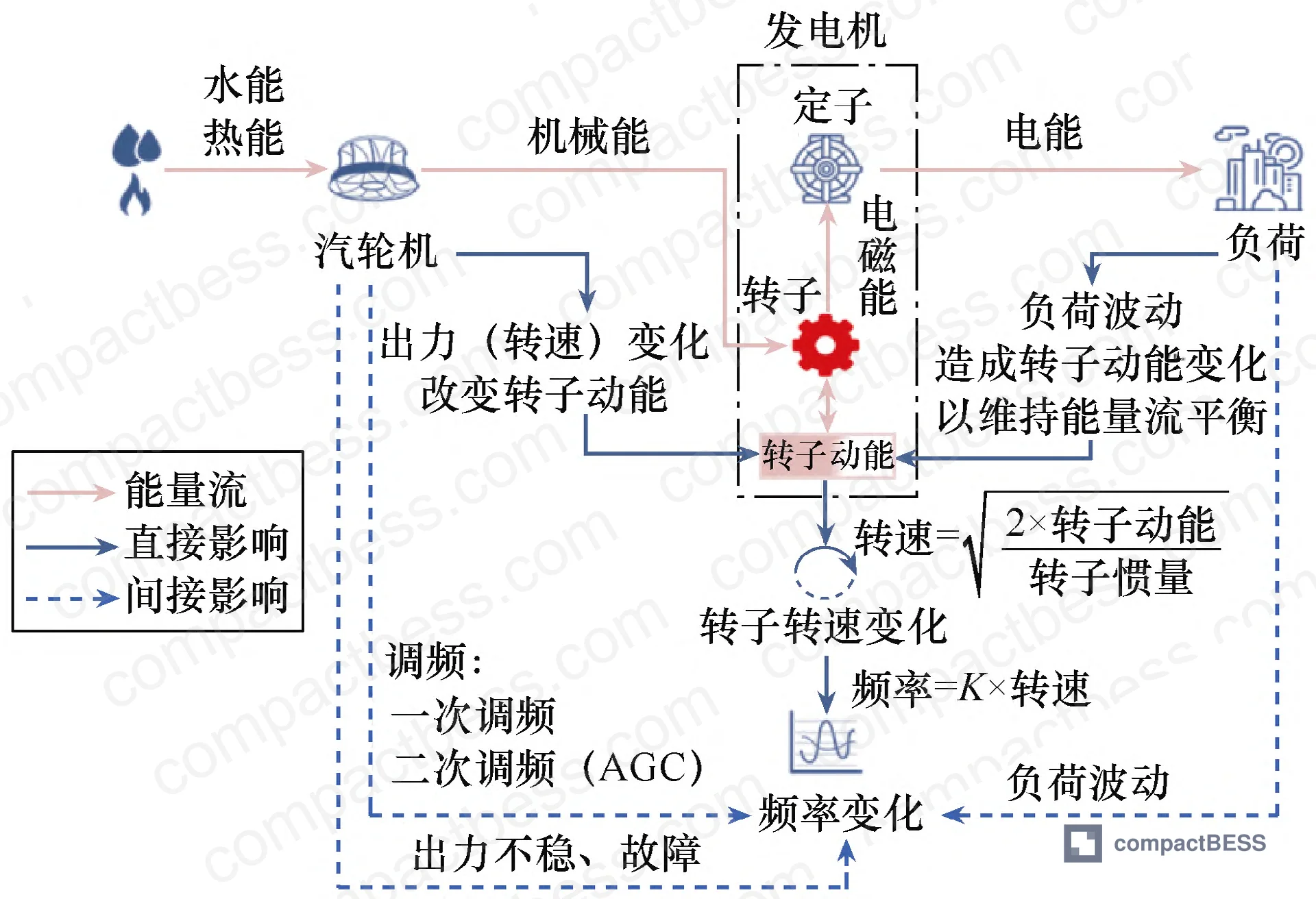
Under constant-power charge/discharge testing, the temperature delta between the hottest and coldest point in the pack stayed below 3°C. That’s the number that matters for supercapacitor consistency over service life — a 10°C differential in that architecture would accelerate capacity fade in the high-temperature cells and leave you with a pack that’s degraded unevenly long before its nominal cycle count.
Most procurement teams don’t realize that IEC 62619 (Safety requirements for secondary lithium cells and batteries for use in industrial applications) was significantly updated, and that thermal runaway propagation requirements now apply to high-power BESS packs in a way that directly affects hybrid pack qualification. If your supplier can’t show temperature uniformity data under worst-case discharge conditions, that’s a qualification failure waiting to happen.
AGC Control Strategy and SOC Management #
AGC is second-order frequency regulation — it uses centralized computer control to adjust generator active power output to match load variation and restore frequency to nominal. The challenge for storage is that AGC command deviations are bidirectional and arrive continuously, which means SOC management is not optional engineering — it’s the difference between a storage asset that earns revenue and one that trips on limits during peak regulation windows.
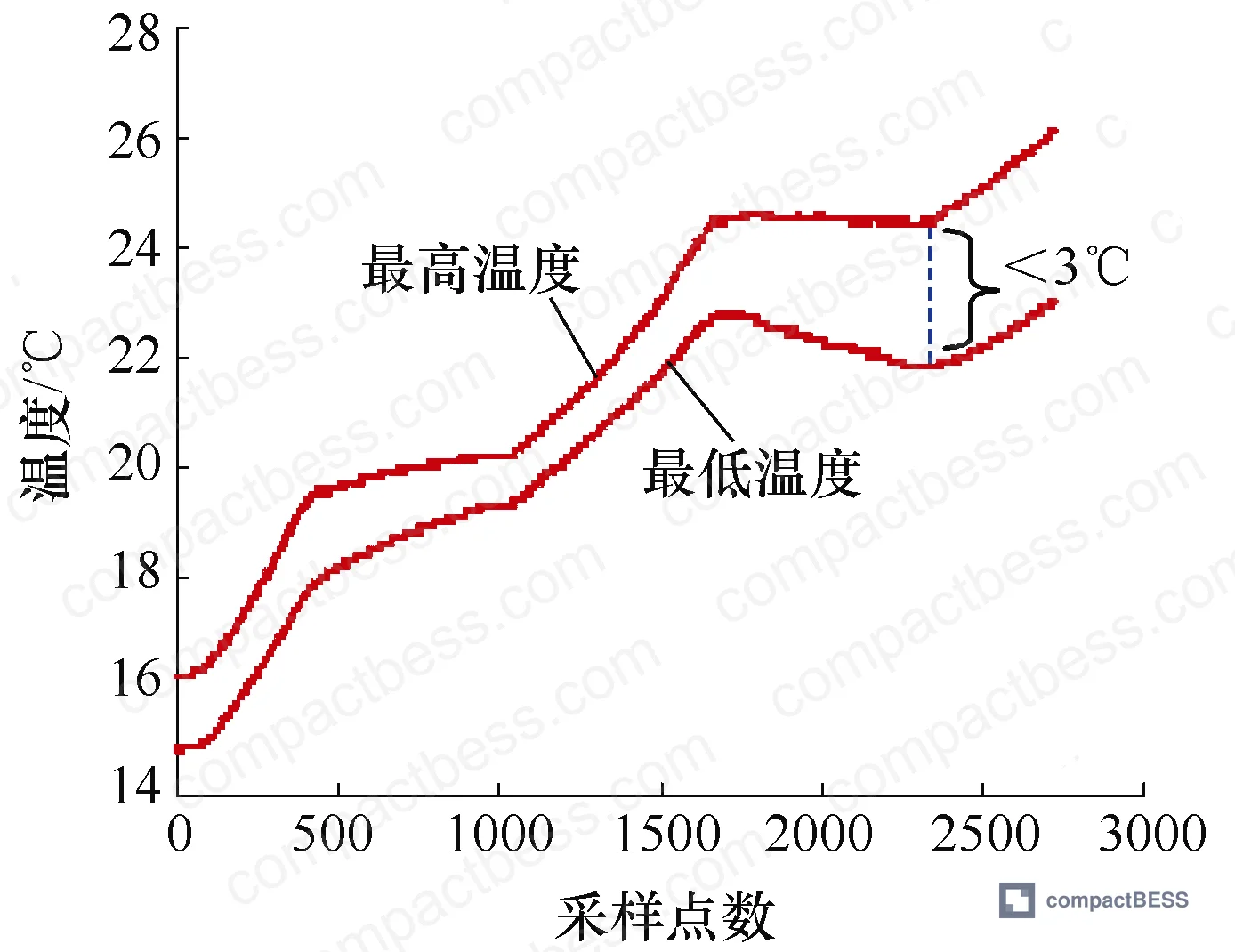
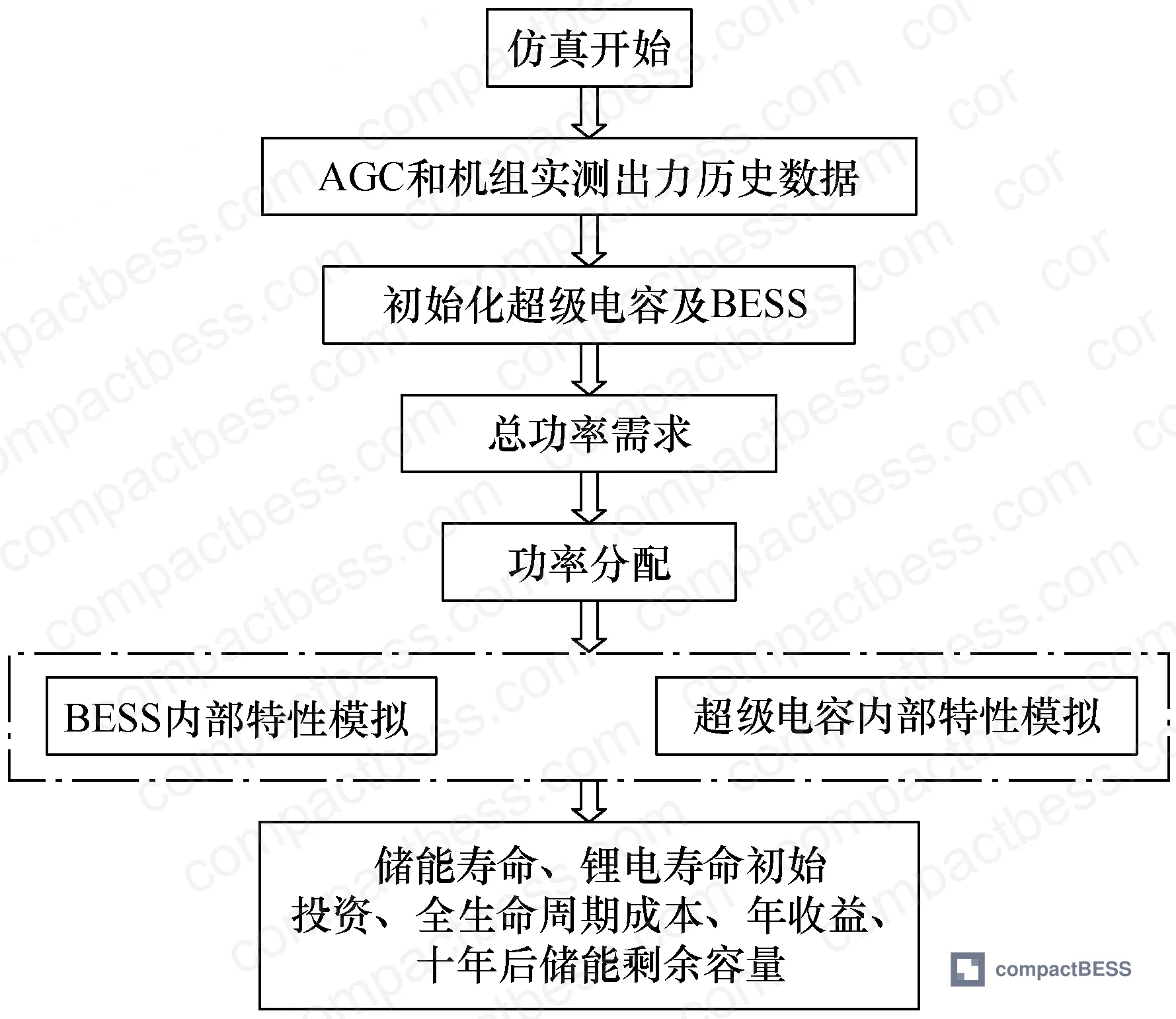
The control algorithm calculates the real-time difference between the AGC command value PAGC and actual thermal unit output Pcoal, then issues a storage dispatch command PHUC corrected for response delay THUC. SOC is tracked continuously using current integration against nominal capacity, with open-circuit voltage and equivalent series resistance (ESR) used to calculate instantaneous power allocation.
When SOC hits upper or lower limits, the protection logic blocks further dispatch. This is where the supplemental charging logic matters: during intervals when the hybrid storage is not executing an AGC response, the system draws from the grid to restore SOC toward the mid-range setpoint — ensuring it has headroom for the next dispatch window.
Case Study: 1,000 MW Unit Sizing and Dispatch Optimization #
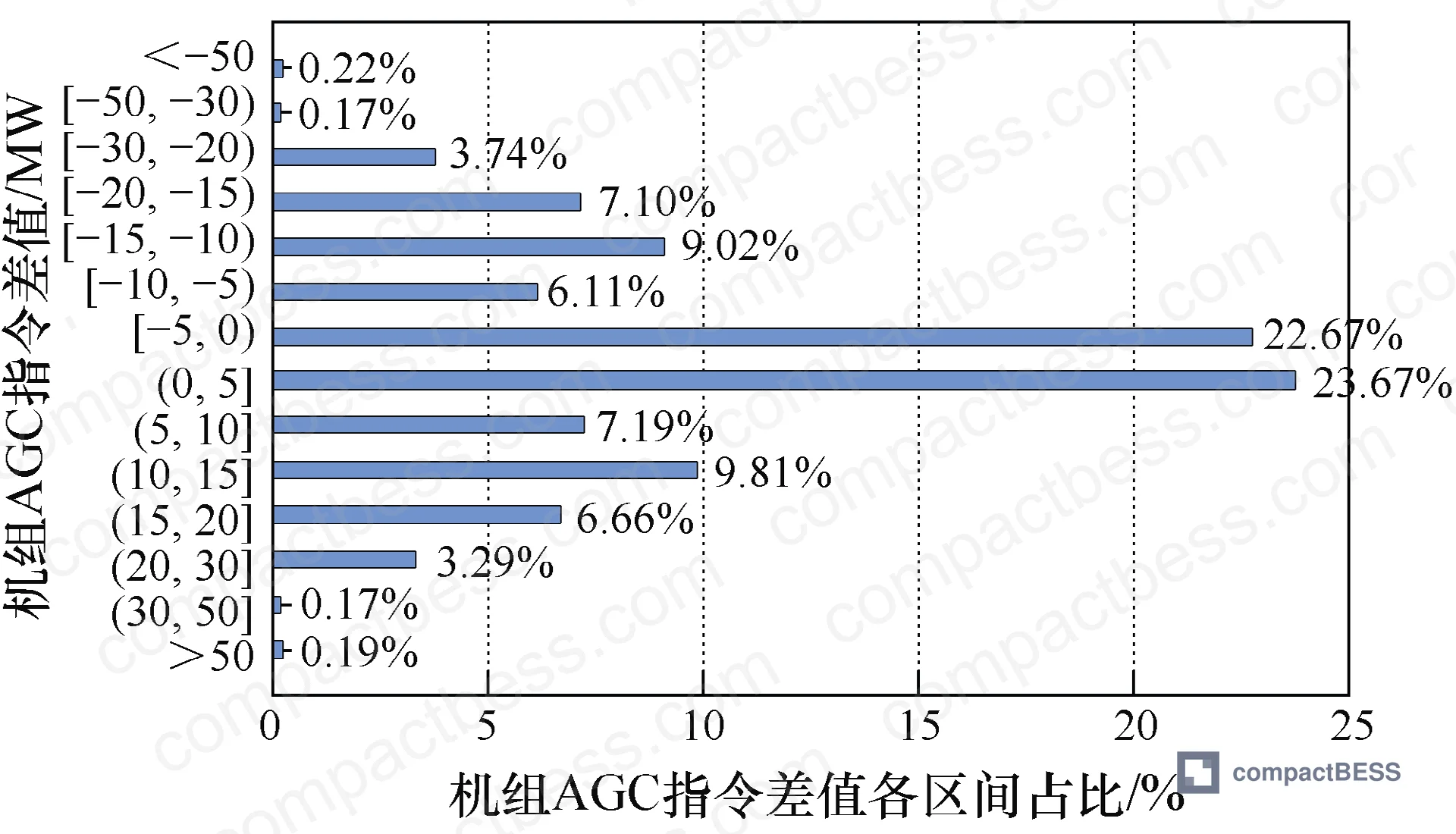
This is where the procurement decision gets concrete. A 2×1,000 MW unit project in Zhejiang Province was used as the sizing reference. Twelve days of actual AGC command data from a comparable operating 1,000 MW unit (June 1–12, 2024) were analyzed.
Power sizing: 99.25% of all AGC command deviations fell within ±30 MW (3% of rated capacity). The conclusion: a 30 MW storage system covers the overwhelming majority of real dispatch requirements for a 1,000 MW unit.
Duration sizing: Analysis of 14,936 individual AGC command intervals showed that 97.54% had duration under 300 seconds (5 minutes). The practical conclusion: hybrid storage (5-minute duration) covers the vast majority of AGC events. Lithium battery storage (1-hour duration) provides backup depth for the outlier long-duration commands.
Optimized dispatch ratio: Running a full grid-search optimization across hybrid/LFP power split combinations at fixed 30 MW total produced the following profit outcomes over a 15-year project life:
| LFP Power (MW) | HES Power (MW) | Performance Index | 15-Year Profit (10k CNY) |
|---|---|---|---|
| 30 | 0 | 1.93 | 20,260.5 |
| 20 | 10 | 1.92 | 21,212.0 |
| 15 | 15 | 1.92 | 21,762.0 |
| 10 | 20 | 1.91 | 22,163.5 |
| 0 | 30 | 1.86 | 21,778.5 |
The 2:1 HES-to-LFP power ratio (20 MW HES, 10 MW LFP) maximizes 15-year profit at 22,163.5 万元. Pure LFP produces a marginally higher performance index (1.93 vs. 1.91) but lower lifetime profit because LFP cells require replacement every 4 years — a cost penalty that compounds over a 15-year horizon.
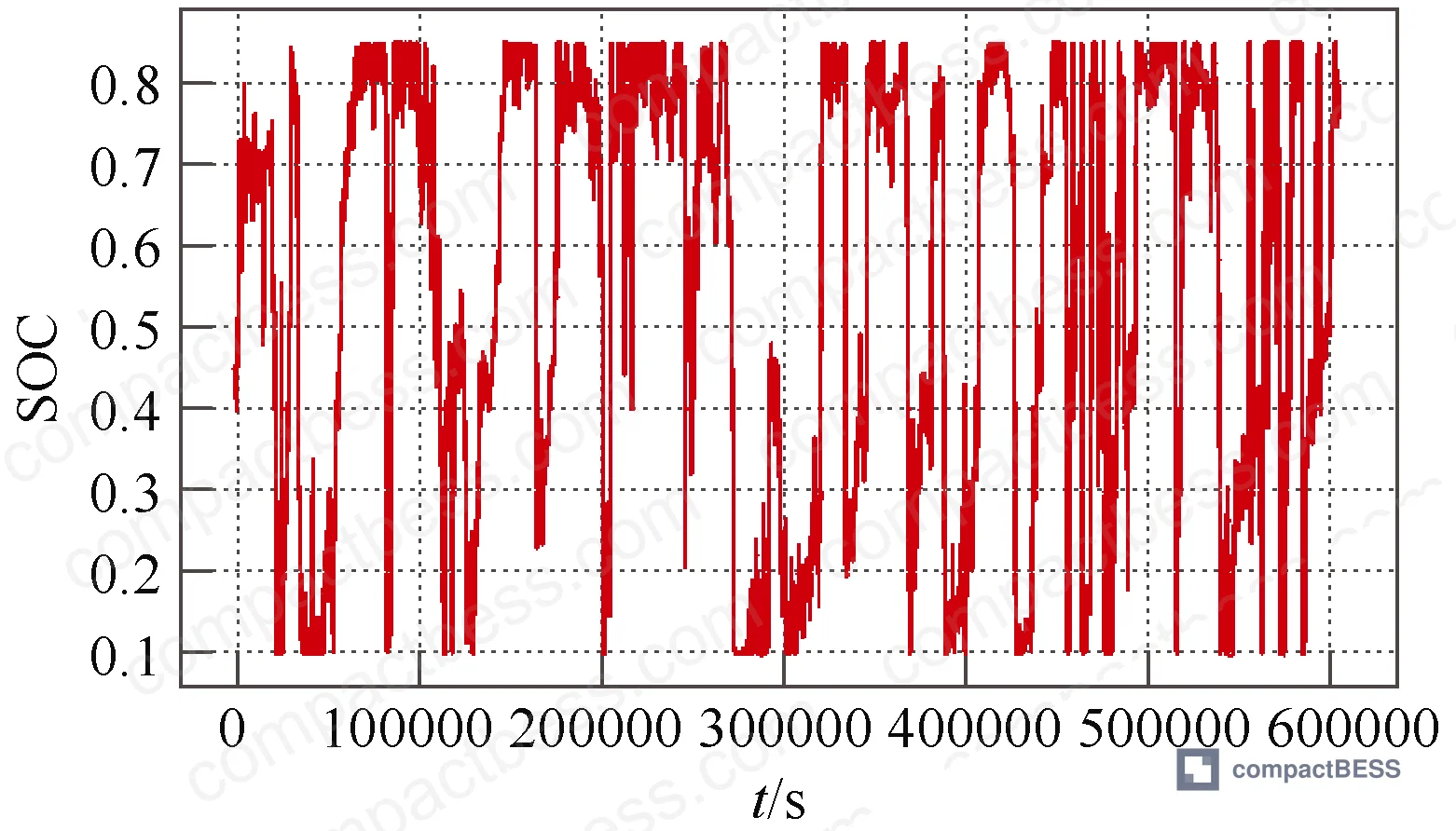
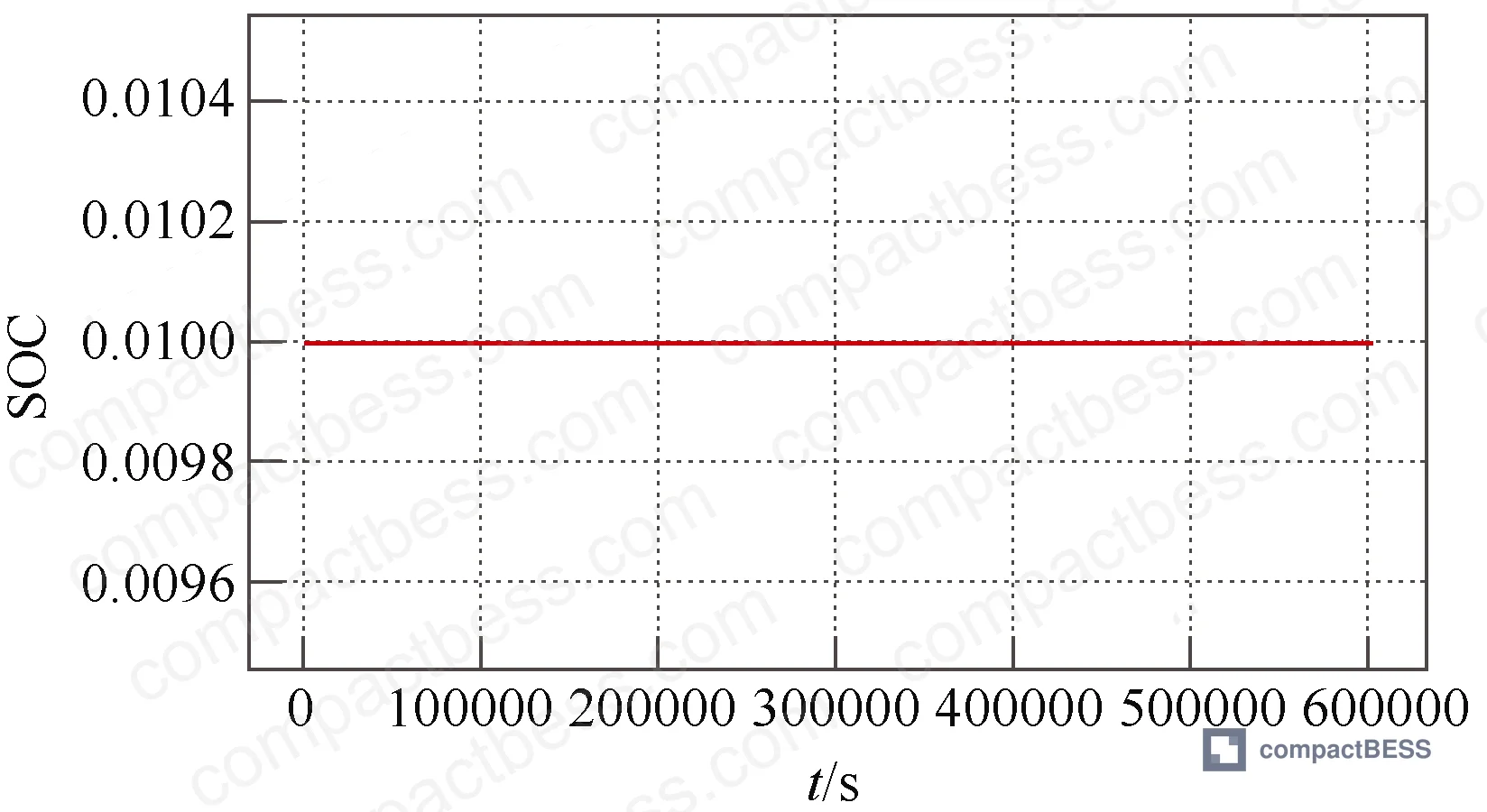
Dispatch Priority: HES-First vs. Balanced SOC #
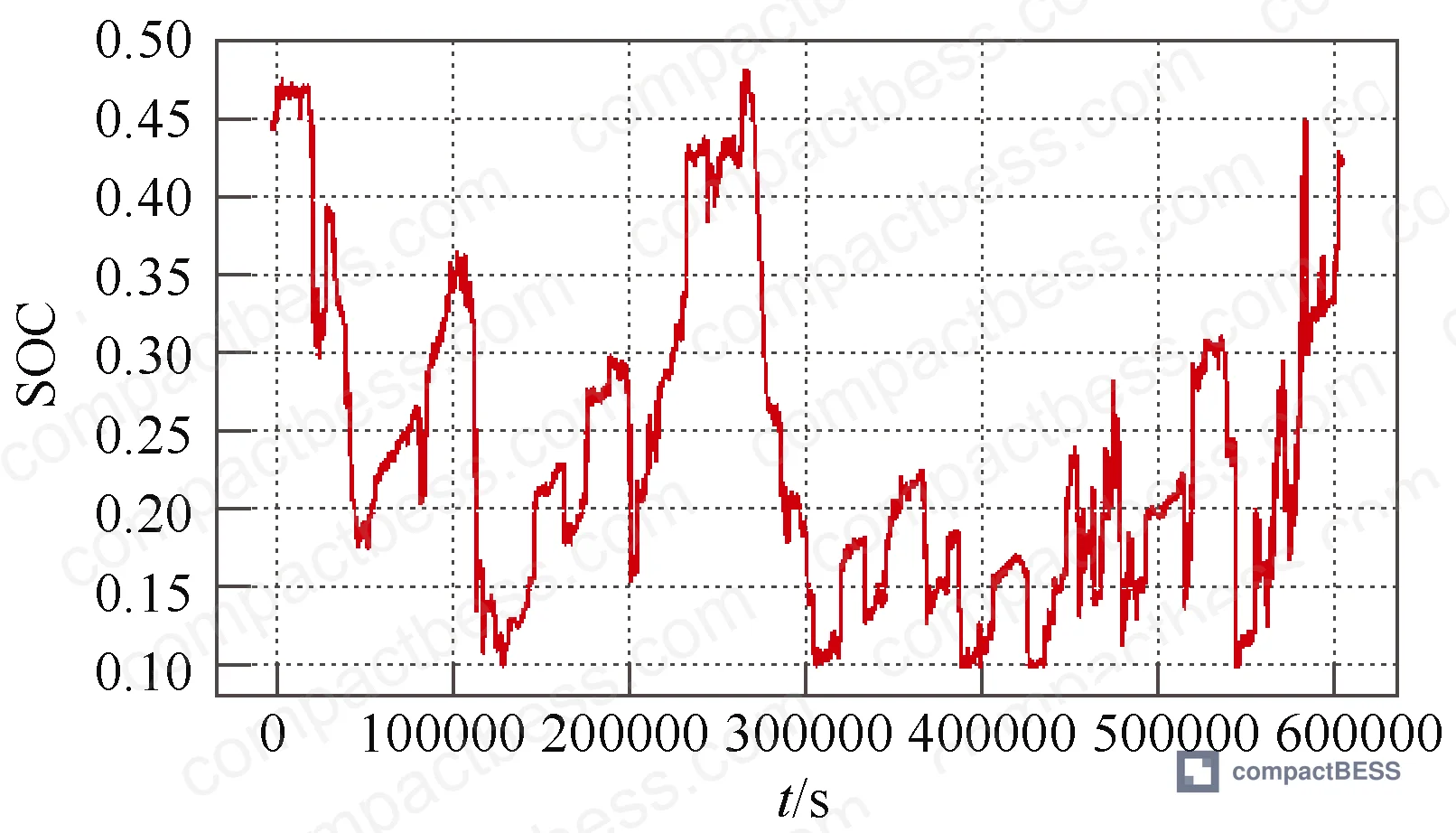
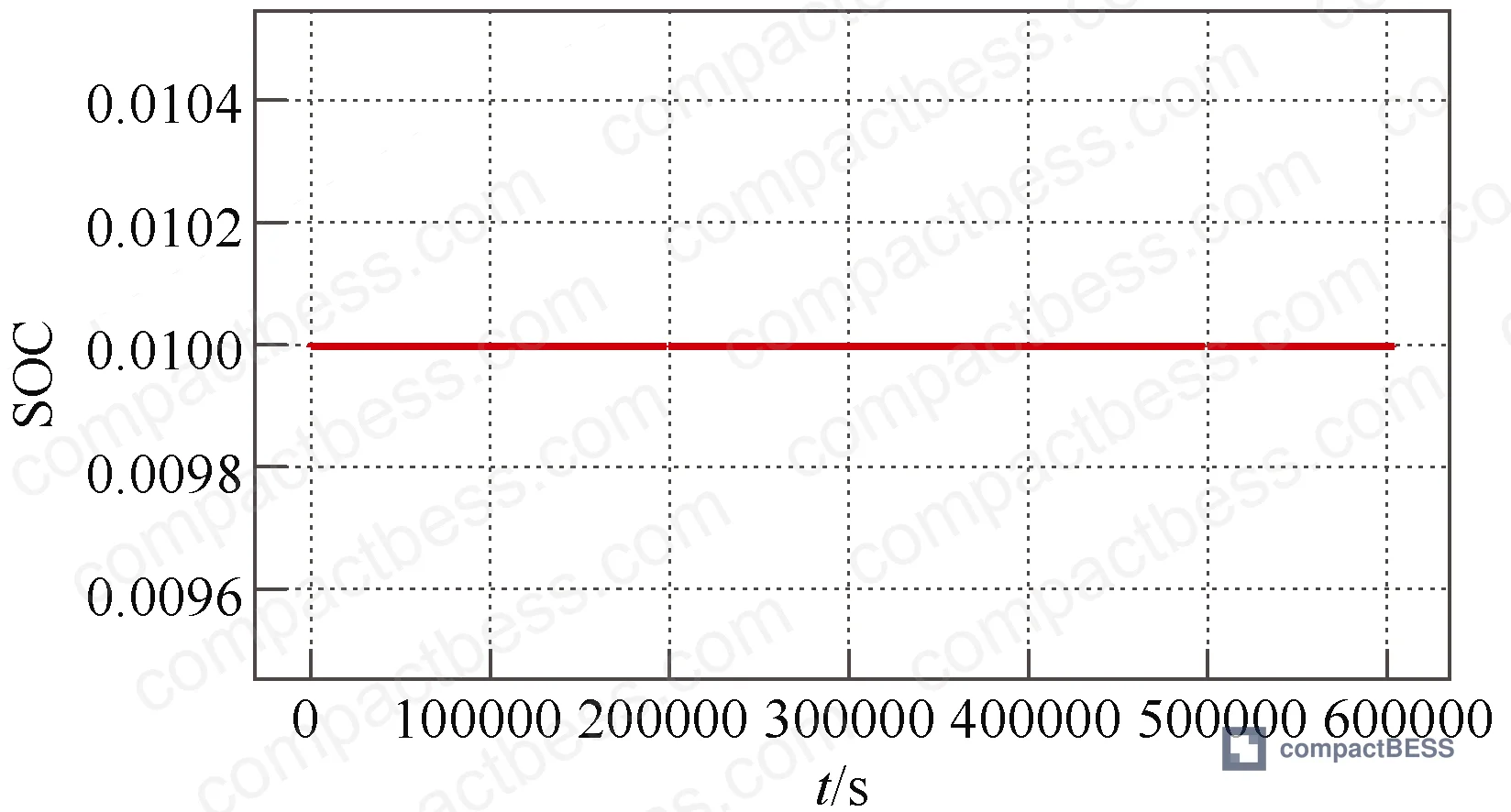
In supplier qualification for a comparable project, we saw three of six storage integrators propose balanced-SOC dispatch as the default control mode. On paper it looks sensible — you’re keeping both storage types at similar SOC, which feels operationally tidy. In practice, it destroys the hybrid pack’s economic case entirely.
Under balanced-SOC dispatch, both HES and LFP are cycled roughly equally. The data from the Yimin case shows this directly:
| Dispatch Mode | HES Cycles | LFP Cycles |
|---|---|---|
| HES-priority | 15,896 | 1,143 |
| Balanced SOC | 175,956 | 174,704 |
Under balanced-SOC mode, the LFP bank accumulates 174,704 cycles — well into early replacement territory within 2–3 years given a 6,000-cycle EOL limit. The HES hits 175,956 cycles, which at 100,000-cycle EOL means you’ve consumed nearly two full HES lifetimes in a period where HES-priority would have consumed only 15.9% of one HES lifetime. The balanced-SOC approach eliminates the entire cost advantage of deploying hybrid storage.
This is not an edge case. If your controls integrator defaults to balanced-SOC logic, push back hard and demand HES-priority dispatch as the baseline configuration.
Practical Guidance for Buyers #
If you’re evaluating storage for AGC auxiliary service at a thermal plant, start from the duty cycle data, not the nameplate spec. Request at least 10 days of actual AGC command logs from the plant or a comparable reference unit and characterize the command duration distribution before you size anything. In practice, 98% of AGC events will fall under 5 minutes — which means 5-minute HES covers the dominant use case, and 1-hour LFP serves as depth backup for outliers.
For compliance, make sure any BESS supplier you qualify can demonstrate conformance with IEC 62619 for industrial safety and UN 38.3 for transport certification. For grid-connected systems, verify the PCS meets local grid code requirements — in China this means the relevant GB/T standards for energy storage grid interconnection.
Push suppliers for cell consistency data under high-rate discharge, not just standard 1C test data. The 42 mV discharge voltage spread we saw in HES qualification is a realistic benchmark — if a supplier can’t show you cell-level voltage spread data at 6P or higher, the consistency claim is unverified. Finally, get the thermal uniformity data: under constant-power discharge, a delta T under 3°C is achievable and should be a qualification threshold.
For deeper background on BMS communication protocols and energy storage control integration, see our related documentation.
Frequently Asked Questions #
Q: What’s the minimum storage duration that actually makes sense for AGC auxiliary service?
A: Based on real AGC command duration statistics from a 1,000 MW reference unit, 97.54% of all commands have duration under 300 seconds. Five minutes is the practical minimum for a hybrid storage system designed for AGC support. Going shorter increases the probability of SOC-limited dropouts during longer dispatch windows, which directly reduces your performance index score and compensation revenue.
Q: Why does the 2:1 HES-to-LFP power ratio outperform all-HES on 15-year profit even though all-HES is cheaper per replacement cycle?
A: Because at 100% HES with 5-minute duration, longer AGC commands (those exceeding 5 minutes, which represent about 10.5% of events by count) have a meaningful probability of triggering SOC limits, causing the system to drop the regulation response. This reduces the performance index from 1.93 (all-LFP) to 1.86 (all-HES), which translates to approximately 119,000 CNY/year lower revenue. The 10 MW LFP backstop in the 2:1 configuration prevents that revenue leakage while still capturing the majority of HES cost advantages from reduced replacement cycles over 15 years.
Q: How do regional AGC assessment frameworks affect the financial model?
A: Significantly. Guizhou’s framework compensates on raw regulation capacity at 10 CNY/(MW·h), which favors large-capacity LFP. Hunan’s 2023 framework uses a composite performance index (weighted sum of response time, regulation rate, and regulation accuracy) with a minimum threshold of 0.9 — that structure rewards the fast-response characteristics of HES and directly penalizes slow-ramp LFP-only configurations. Before finalizing storage type and sizing, map your project location against the provincial assessment rules. The financial model differs materially between provinces.
Q: Can balanced-SOC dispatch mode be used as a fallback or emergency mode?
A: Only with extreme caution. Balanced-SOC mode cycles the LFP bank at nearly the same rate as HES — in the Yimin simulation, that generated 174,704 LFP cycles against a 6,000-cycle EOL limit, which would require cell replacement within 2–3 years. As an emergency fallback during HES maintenance windows it’s acceptable. As a default operating mode it eliminates the economic rationale for deploying hybrid storage at all.
Q: What certifications should I require from a hybrid energy storage supplier for a grid-connected industrial application?
A: At minimum: IEC 62619 for secondary lithium cell industrial safety, UN 38.3 for transport, and IEC 61000 series EMC compliance for grid-connected electronics. For CE-marked equipment in European markets, additionally verify RoHS and EU Battery Regulation 2023/1542 compliance. Grid interconnection in China requires GB/T 36276 and GB/T 34131 conformance documentation from the PCS and BMS respectively.
Published by compactbess.com Technical Team | Request a sourcing quote
Content reviewed by elena.fischer | © compactbess.com — All rights reserved. Unauthorized reproduction prohibited.


